Paris is divided into twenty numbered arrondissements, laid out in a clockwise spiral around the Louvre, a bit like a snail's shell. The arrondissement number forms the last two digits of the postal code (75001 for the first, 75020 for the twentieth) and appears on most street signs, which makes it easy to get your bearings once you've grasped the logic. Each arrondissement has its own town hall, its own markets and an atmosphere all its own: the lower numbers concentrate the major monuments and museums around the historic center, the eastern and northeastern arrondissements remain more working-class and less touristy, while the west is more residential and upscale.
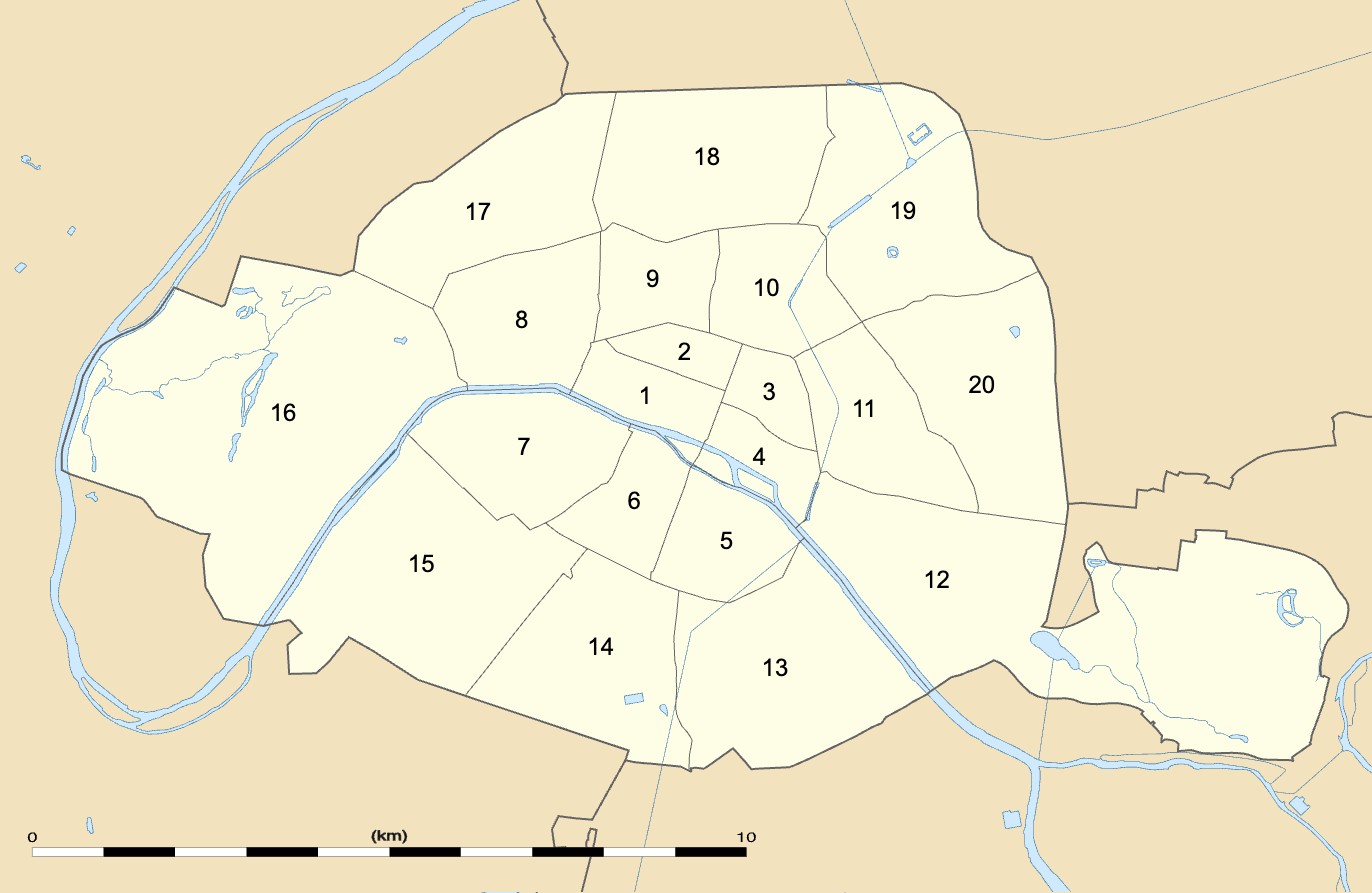
The spiral layout
The numbering starts at the Louvre (1st) and turns east, then south, before swinging back west for the twentieth. A handy reference to keep in mind for placing a neighborhood without constantly checking a map.
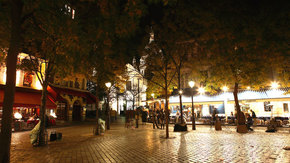
The 18th arrondissement
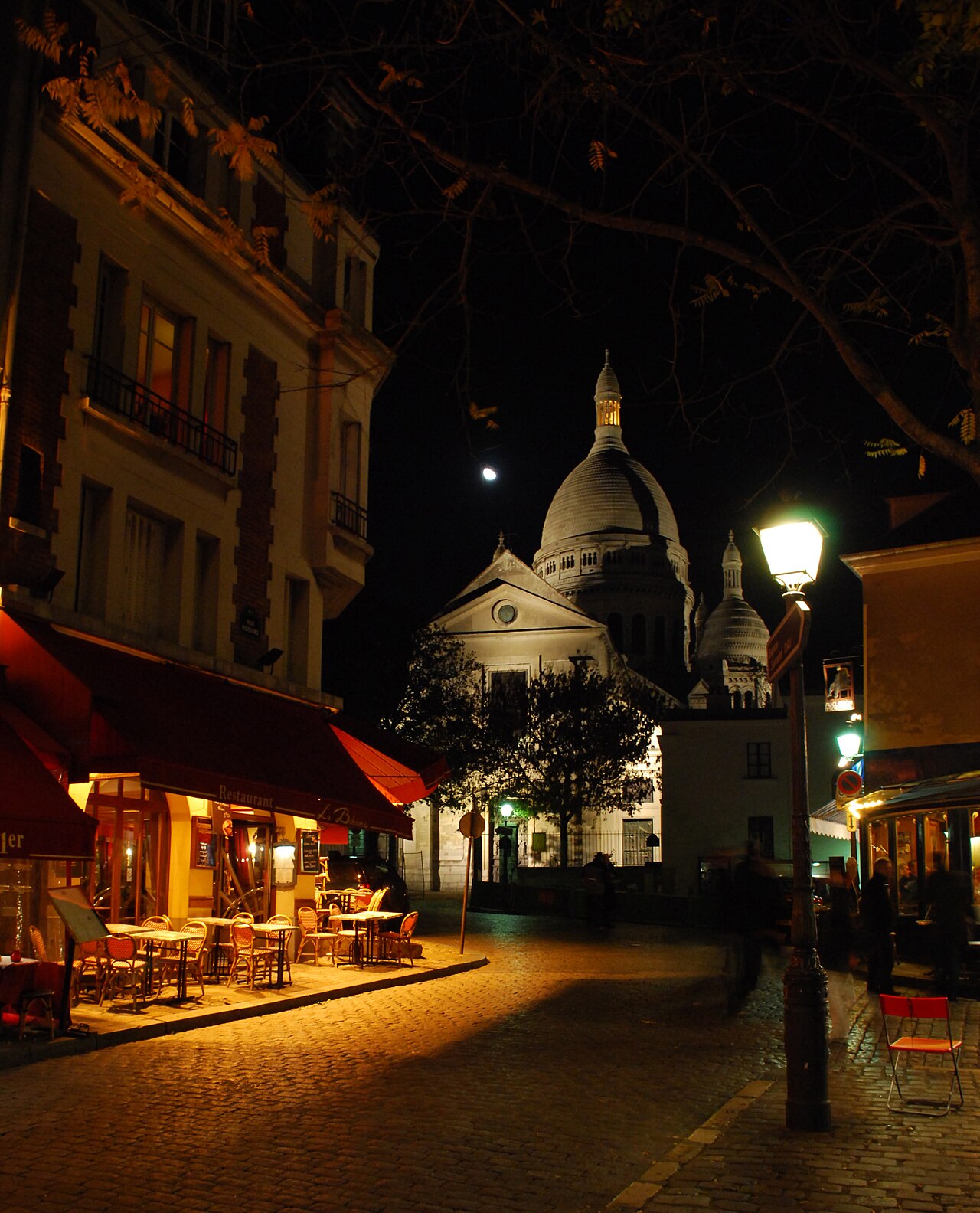
Montmartre occupies a good part of the 18th, with the Sacré-Cœur basilica and Place du Tertre at its heart. The streets around Boulevard Barbès and the Goutte d'Or, more working-class, stand in contrast to the touristy hilltop.

The 3rd and 4th arrondissements
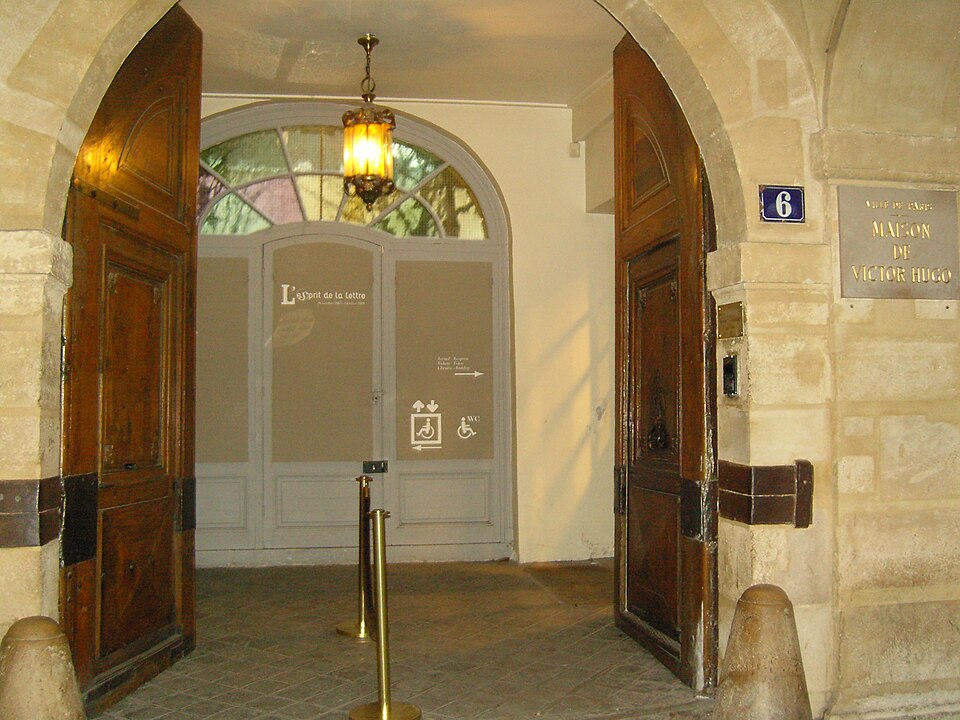
Le Marais spans these two central-east arrondissements, between grand seventeenth-century mansions, designer boutiques and the historic Pletzl, the former Jewish quarter around Rue des Rosiers.

The 6th arrondissement
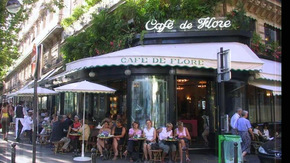
Saint-Germain-des-Prés gives the 6th a literary Left Bank feel, with historic cafés, art galleries and the Luxembourg Gardens closing off the neighborhood to the south.
Tips
For a first stay, the 1st, 4th, 5th, 6th and 7th arrondissements concentrate most of the major monuments within walking distance of one another. For a place to stay that's both central and more affordable, the 10th, 11th and 20th arrondissements remain well served by the metro while avoiding the city-center's touristy prices. The arrondissement number also appears in the name of some central metro stations (Louvre-Rivoli for the 1st, Saint-Paul for the 4th): one more way to check you haven't wandered into the wrong neighborhood when you step out of the metro.