
Like any major tourist destination, Paris has its share of well known scams, mostly concentrated around the busiest sights and the most crowded trains. None of them are violent, they mostly rely on surprise or forced friendliness, but knowing about them in advance means they won't catch you off guard. Here are the most common tricks and the simple habits that keep them from spoiling your trip.
Around the Sacré-Cœur
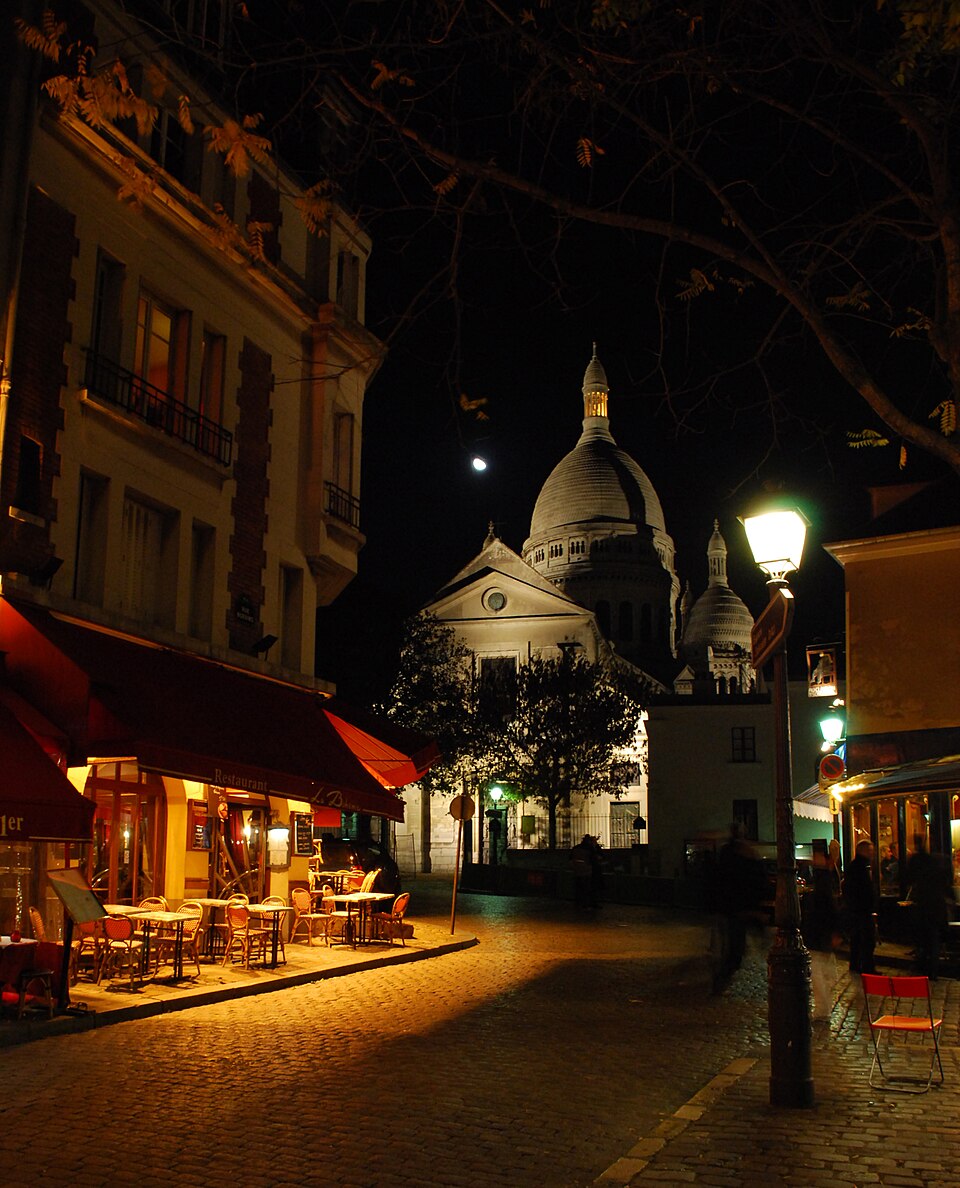
The steps in front of the basilica, and the Montmartre hill more generally, remain one of the spots in Paris where visitors are most often approached. The dense crowds packed into a small space make it an ideal ground for street vendors and fake charity collectors. A little awareness goes a long way: keep your distance from anyone who insists on talking to you or grabbing your wrist, and simply keep walking.
The metro and crowded escalators
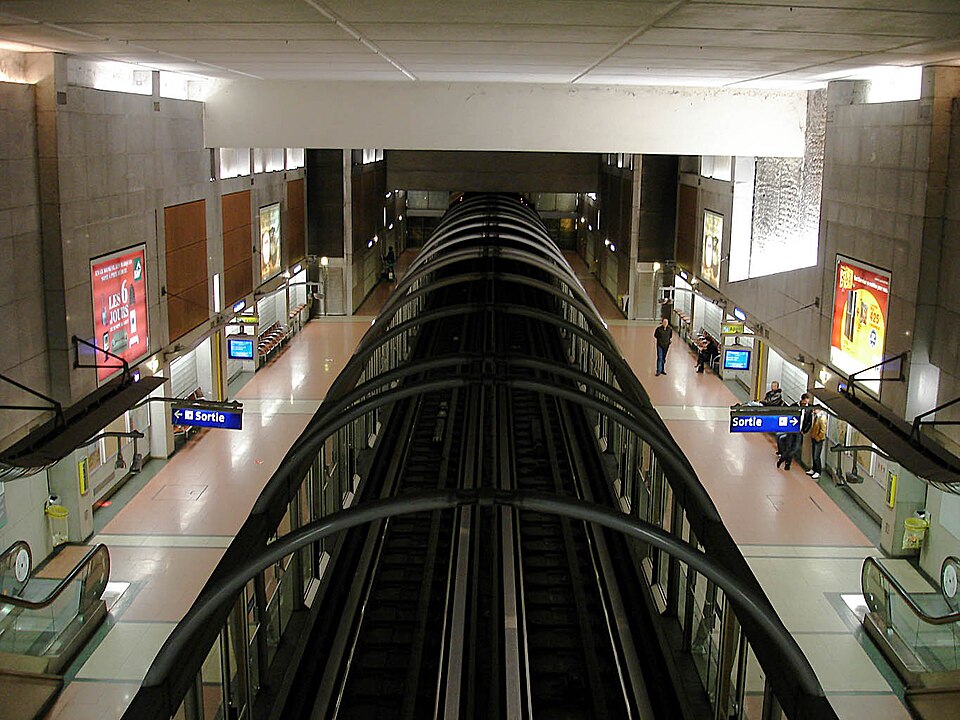
Busy lines, especially at rush hour and on touristy stretches such as line 1, are a favorite ground for pickpockets. They take advantage of the crush of people boarding or leaving a train, or the jostling near the doors, to work unnoticed. Wear your bag in front of you, keep your phone and wallet in a closed pocket, and stay alert in the busiest connecting corridors.
The friendship bracelet and the fake petition
A stranger offers to tie a lucky bracelet around your wrist, or holds out a petition to sign for a charity, often near the steps of the Sacré-Cœur, the Trocadéro or the Champ-de-Mars. Once the bracelet is tied or your attention is caught, they then ask for money, sometimes insistently. The safest response is to sign nothing, let nothing be tied to your wrist, and keep walking without stopping.
The found gold ring and rigged street games
Someone conveniently finds a gold ring right in front of you and asks if it's yours, before offering to sell it to you cheaply, a worthless trinket in reality. On busy squares you may also come across the shell game or three card monte, where a ball or card looks easy to follow: it is always rigged, and the bystanders who seem to win are part of the setup. In both cases, the rule is simple: do not stop and do not take out any money.
Taxi meters that run a little too fast
The vast majority of Parisian drivers are honest, but a few, especially around train stations and airports, take a longer route or charge a night rate in broad daylight. To avoid any trouble, take a taxi directly from an official rank, recognizable by its street sign, or book through a licensed taxi or ride hailing app that shows the fare before you set off. A printed meter receipt is your best guarantee if a dispute comes up.
Menus that change price once you sit down
Around the most visited sites, some restaurants display an attractive menu in the window and then bring out a different, pricier one once you are seated. Before ordering, check that the prices posted outside match the menu handed to you, and don't hesitate to ask the price of a dish or a bottle of water if it isn't listed. When in doubt, head a few streets away from the monuments, where restaurants are usually more honest and cheaper.
Tips
None of these scams are violent: they rely on surprise, forced friendliness or distraction, never on physical force. The same simple reflex works in every situation: keep walking, don't take out your wallet in public, and decline firmly but politely. It's also worth keeping a photo of your ID and cards on your phone, just in case. These situations remain rare compared to the millions of visitors who explore Paris every year without the slightest trouble. With a bit of common sense, as in any big city, capital or heavily touristed place, you'll enjoy your stay to the fullest: Paris remains a safe city for travelers who simply keep their eyes open.