Finding a place to live in Paris for several months has nothing to do with booking a hotel or an Airbnb for a short tourist stay: the Parisian rental market is tight, highly competitive, and runs on a first-complete-application-wins basis. A good apartment, correctly listed at the right price, is often rented out within days, sometimes within hours. Even before viewing anything, it's best to have a complete rental file ready: ID, your last three payslips or proof of income, employment contract or employer's certificate, your last three rent receipts, tax notice, and bank details (RIB). The unwritten but almost universal rule among landlords and agencies is that net income should be roughly three times the monthly rent including charges; the ALUR law strictly limits the list of documents a landlord is allowed to request, and forbids them, for instance, from demanding a bank statement or a criminal record extract. The second hurdle, often the biggest obstacle for students, expats, and remote workers with no rental history in France, is the guarantor. French landlords almost always require someone to commit to covering the rent if the tenant defaults, which is a problem for anyone without a relative living in France with sufficient income. The Visale guarantee, offered free of charge by Action Logement, solves this for a large share of applicants: under 30, it's accessible almost automatically regardless of status (student, apprentice, young professional, jobseeker); over 30, it remains available subject to income and contract-type conditions. For profiles that don't fit these categories, particularly newcomers who have just arrived with income still earned abroad, paid services such as Garantme or Cautioneo (around 3.5% of the annual rent) act as guarantor, accepting income and guarantors based outside France.
Which neighborhood suits your profile
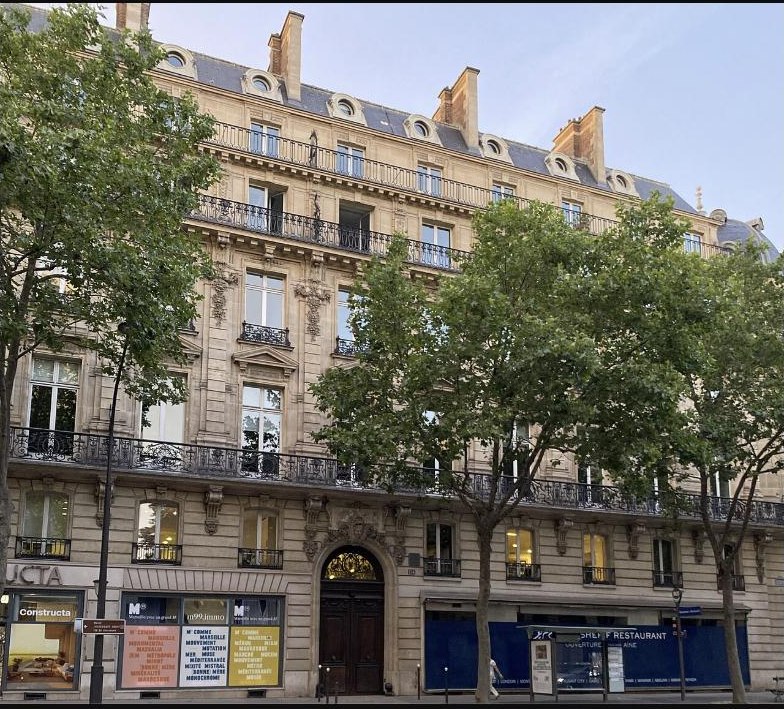
Students often favor the Latin Quarter and the 5th arrondissement, near the Sorbonne, or the more affordable Cité Universitaire residences in the 14th. Young professionals and remote workers looking for a lively vibe and good metro connections tend to head toward Bastille, Canal Saint-Martin, or Oberkampf. Families generally prefer quieter, greener neighborhoods such as the 15th, Passy and Auteuil in the 16th, or well-connected suburbs like Vincennes or Boulogne-Billancourt. Rents vary noticeably from one area to another: expect around €33 to €38 per square meter per month in the central arrondissements, compared with €29 to €32 in areas such as the 19th, 13th, or 20th.
DossierFacile, for a file ready before you even start viewing
This free government service lets you gather and certify your entire rental file online, and it's recognized by the vast majority of agencies and private landlords. Putting this file together before you start your search, rather than scrambling once you spot the right listing, often makes the difference in a market where the best apartments go within days.
Rental platforms and their fees
SeLoger and LeBonCoin list most agency and private listings; PAP (Particulier à Particulier, i.e. direct owner-to-tenant listings) lets you rent straight from the owner with no agency fees. Agency fees are capped by the ALUR law, at around €12 including tax per square meter in Paris for the viewing, the file, and drawing up the lease, plus roughly €3/m² for the move-in inventory. Students can apply for CROUS student housing through the dossier social étudiant (student social file), or through the supplementary round open to international students who aren't eligible for it. For furnished apartments that are easier to secure without a full French rental file, agencies such as Lodgis, Flatlooker, or Studapart cater specifically to international tenants; flat-share sites like La Carte des Colocs or Appartager can help stretch a tighter budget.
The most common scams
The classic setup: an unreachable "landlord," often based abroad, offers a property at a suspiciously attractive price, refuses any in-person viewing or live video call, and asks for a bank transfer before ever handing over the keys — keys that never arrive. Check that the bank account name actually matches the landlord's name on the listing, and be wary of any pressure to pay urgently. A useful legal reminder against these scams: the security deposit is capped at one month's rent excluding charges for an unfurnished apartment, two months for a furnished one, and it's only due when the lease is signed, never before.
The right timing for your search
The Paris market moves fast: most new listings appear on weekdays, particularly in the early afternoon on Tuesdays and Wednesdays, and become scarcer over the weekend. Signing a long-term lease remotely before even arriving in France remains risky and is rarely accepted by landlords, who prefer to meet tenants in person. The most common solution is to book a few weeks of temporary furnished accommodation (a short-term rental, a sublet, or a Lodgis/Studapart furnished flat) to view properties on the ground and sign with peace of mind.
Tips
Put your rental file together before you start viewing apartments: ID, proof of income, guarantor (Visale or a paid service), and your DossierFacile certificate ready to send within minutes as soon as a listing fits. This is often what makes the difference between getting the apartment and watching it go to someone else the same day. If your trip to Paris is a short tourist stay rather than a long-term move, our dedicated guide explains how to choose the right neighborhood to stay in. And whatever your situation, never wire money to someone you haven't met or verified before signing a lease: that's the number one warning sign of a rental scam.