No, in the vast majority of cases. Central Paris is classed as a no-fly zone for drones, whatever the aircraft's weight or intended use. This isn't about being discreet — it's a citywide regulatory ban.
Paris is a no-fly zone for drones
The zone known as "LF-P 23 Paris" covers most of central Paris and bans drone flights by default up to roughly 2,000 meters of altitude. The zone is regularly renewed by official order and published on the official Géoportail site.
Registration is mandatory from 250 grams up
Regardless of the Paris question, any recreational drone weighing 250g or more must be registered by its owner, with mandatory online theory training before the first flight.
Some sites are banned nationwide, not just in Paris
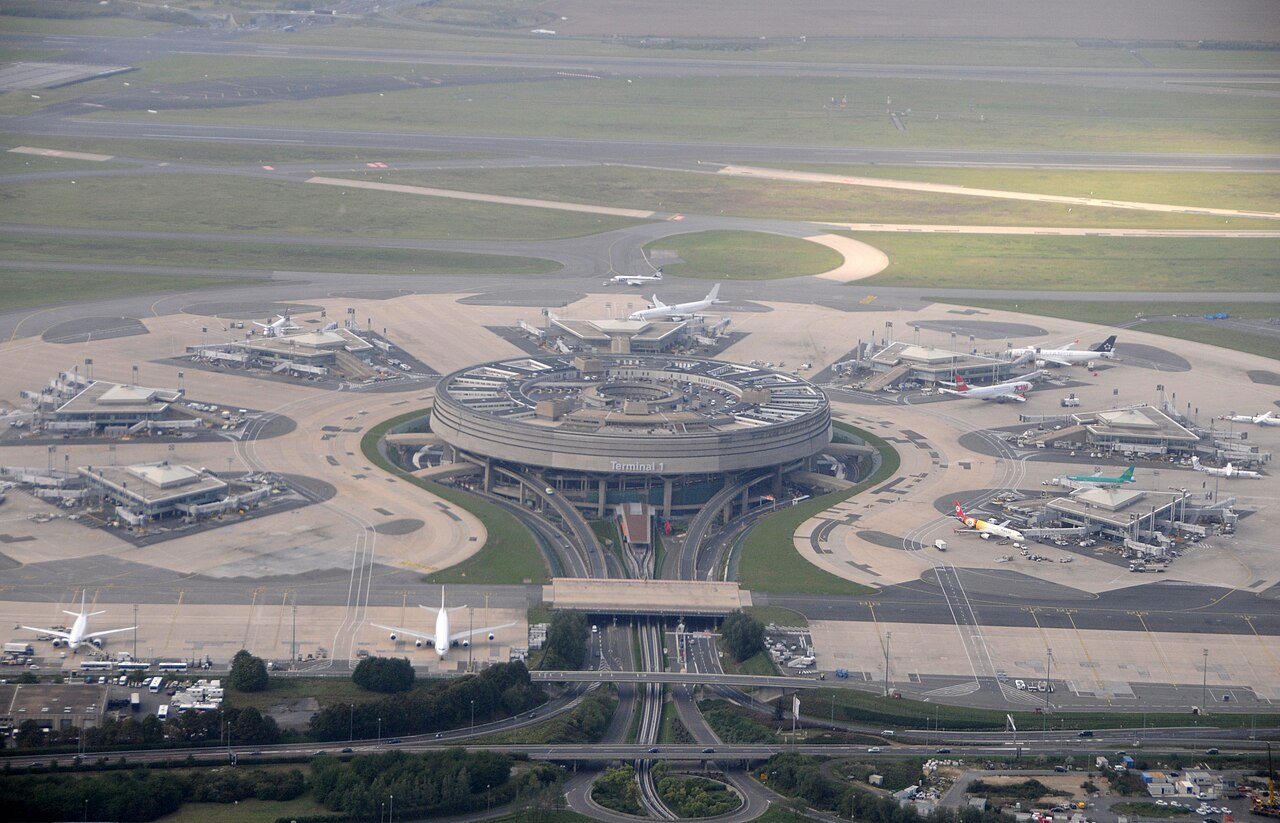
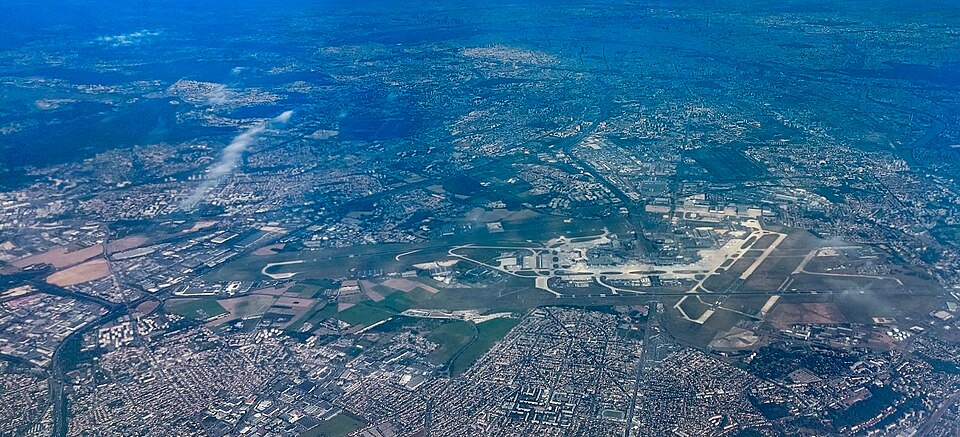
Airports, military sites, prisons, presidential residences, and embassies are structurally no-fly zones wherever they're located in France.
An authorization exists, but only for professional use
A supervised professional flight (filming, press) can be pre-authorized by the police prefecture, with a full application filed several days ahead. Recreational flights don't get that kind of exemption.
The penalties are far from symbolic
An unauthorized flight in a no-fly zone can carry several months in prison and tens of thousands of euros in fines, with possible seizure of the drone and its equipment. Capturing images without authorization in a protected zone is a separate offense, also heavily punished.
The official map to check before you go
Géoportail publishes a dedicated map layer for recreational drone flight restrictions, free to check online — the go-to reference before bringing a drone on a trip, in Paris or anywhere else in France.
Tips
If the real goal is beautiful aerial-style shots of Paris, several legal, high-up viewpoints (Arc de Triomphe, Tour Montparnasse, department store terraces) offer a far better option than a drone, with zero legal risk.