
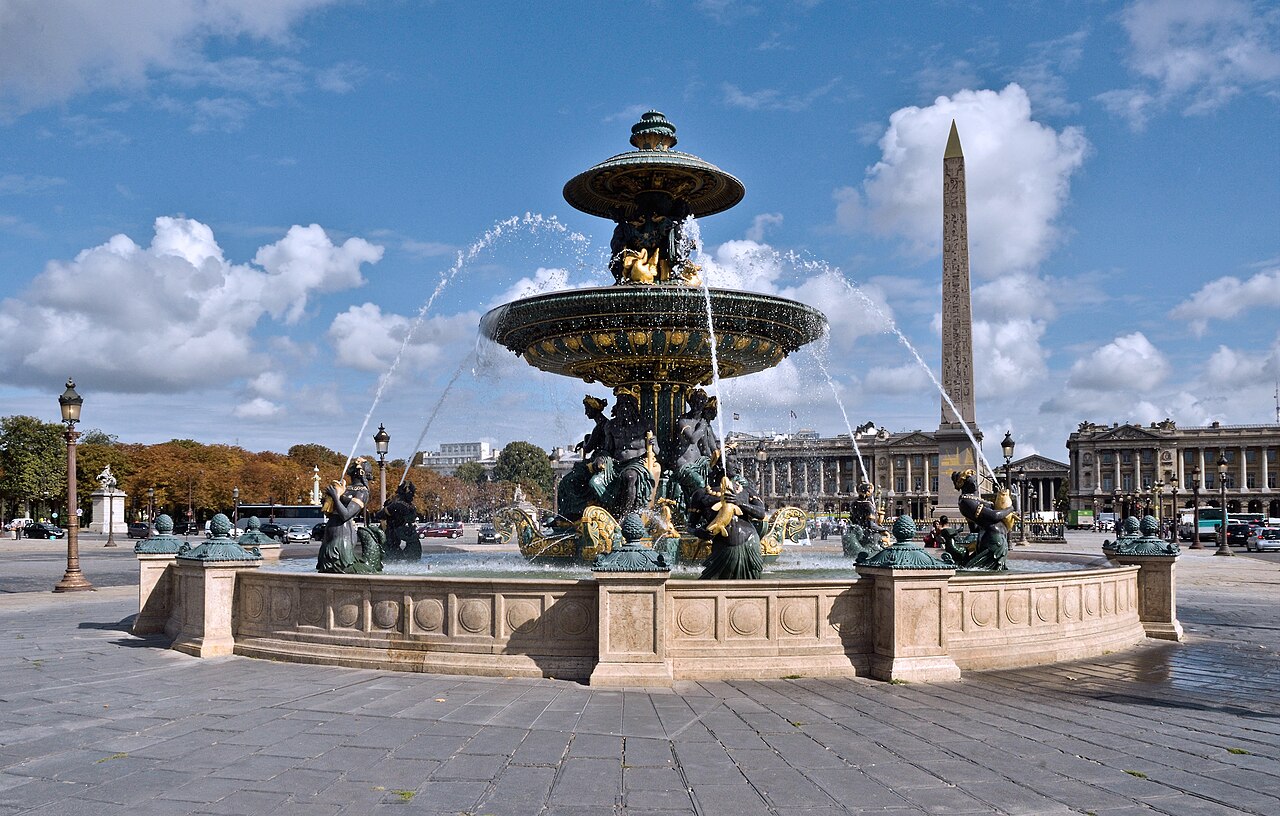
The largest square in Paris, Place de la Concorde links the Tuileries garden to the Champs-Élysées. Laid out in the 18th century, it has carried several names over the course of history, including Place de la Révolution, when the guillotine stood there for several years. Today the square is best known for its Egyptian obelisk and its two monumental fountains, with the National Assembly, the Madeleine, and the Hôtel de Crillon as a backdrop.
Highlights
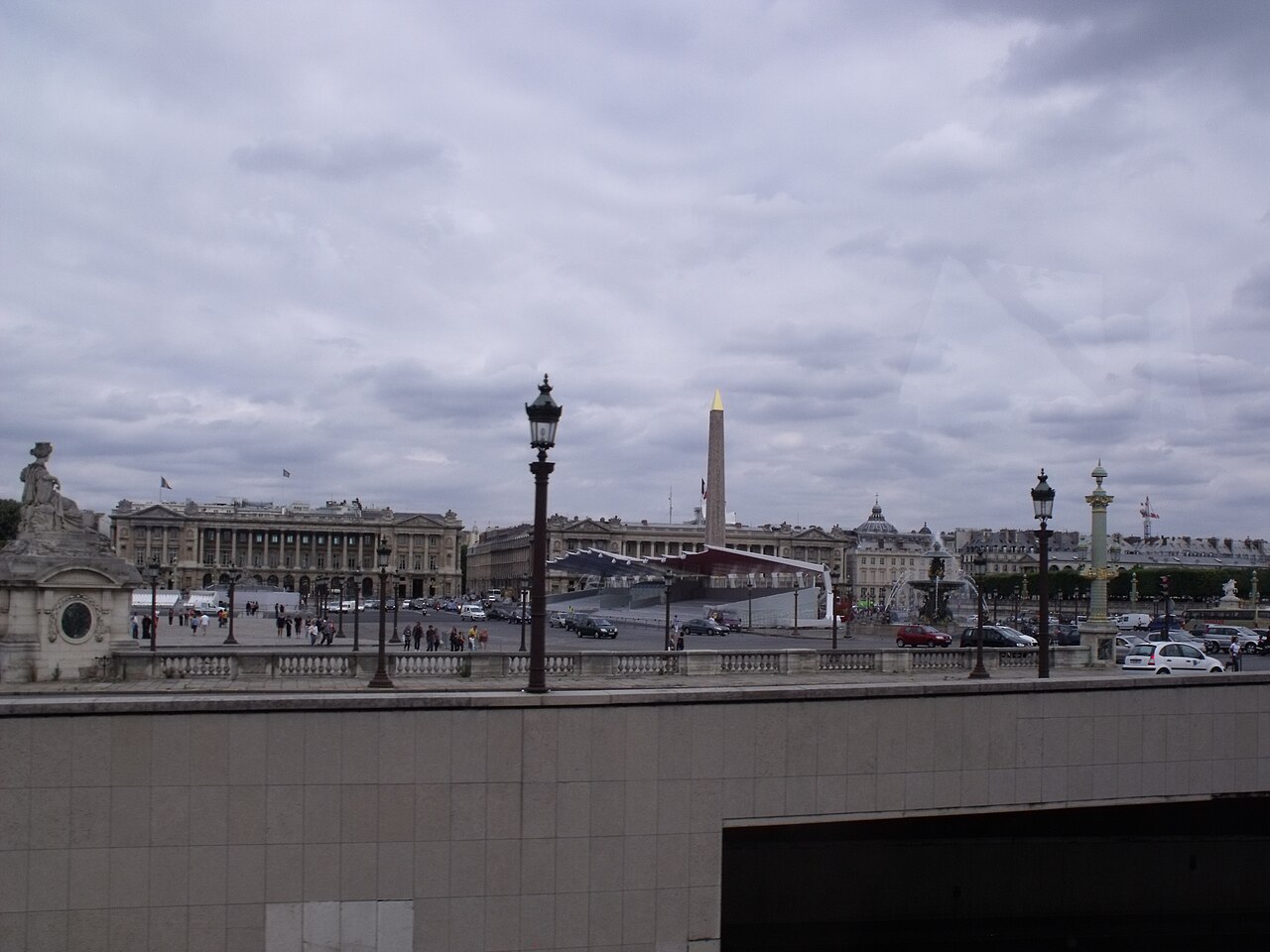
The Luxor Obelisk
Given to France by the viceroy of Egypt Méhémet Ali, this 23-meter pink granite obelisk was erected in 1836, on the very spot where the guillotine once stood during the Revolution. Its tip received a gilded cap in 1998.
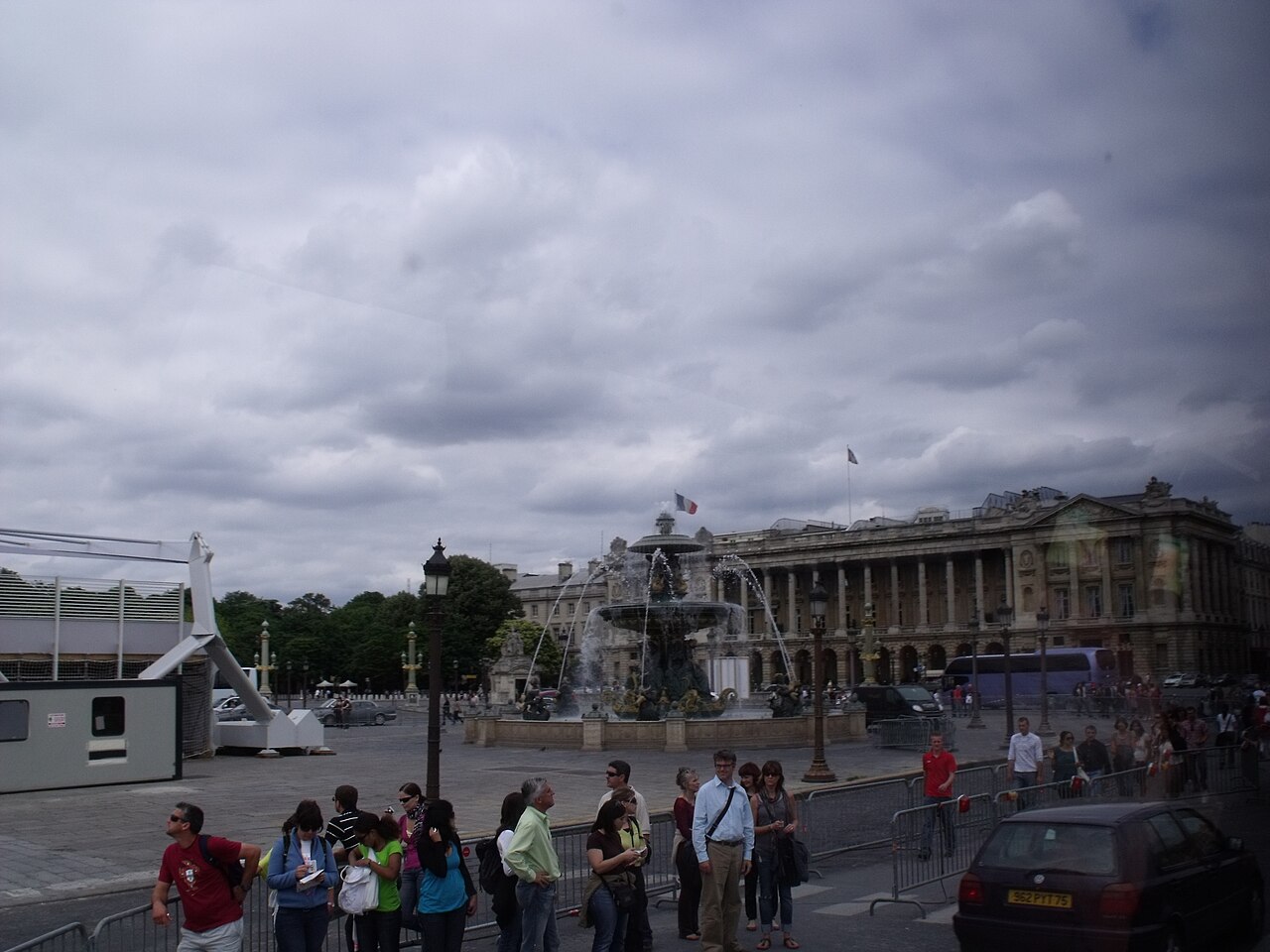
The Fountain of the Rivers
Created by Jacques-Ignace Hittorff in 1836, this monumental fountain on the Madeleine side represents the Rhône and the Rhine along with the harvests of wheat, grapes, and fruit. The Hôtel de Crillon stands right behind it.
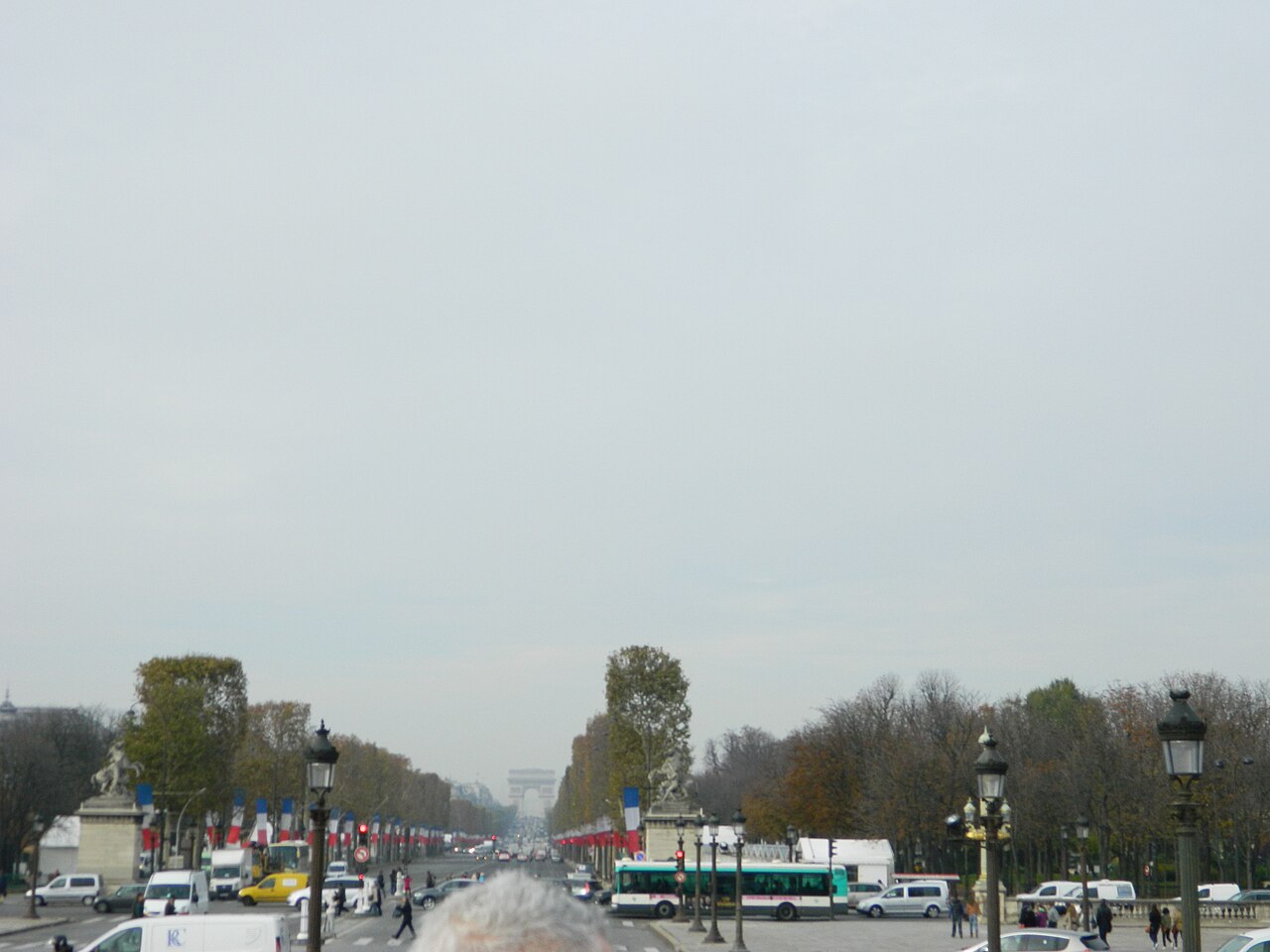
The view toward the Champs-Élysées
From the square opens one of the finest vistas in the capital: the Champs-Élysées, running straight up to the Arc de Triomphe.
Infos pratiques
Tips
The square also doubles as a huge traffic roundabout, and a very busy one, so only cross at the marked pedestrian crossings or use the underpasses.
How to get there
The square is served by the "Concorde" metro station (lines 1, 8, 12). Buses 42, 45, 72, 73, 84, and 94 stop there too, along with night bus lines N11 and N24.
Opening hours
Nearby
Comments
No comments yet.