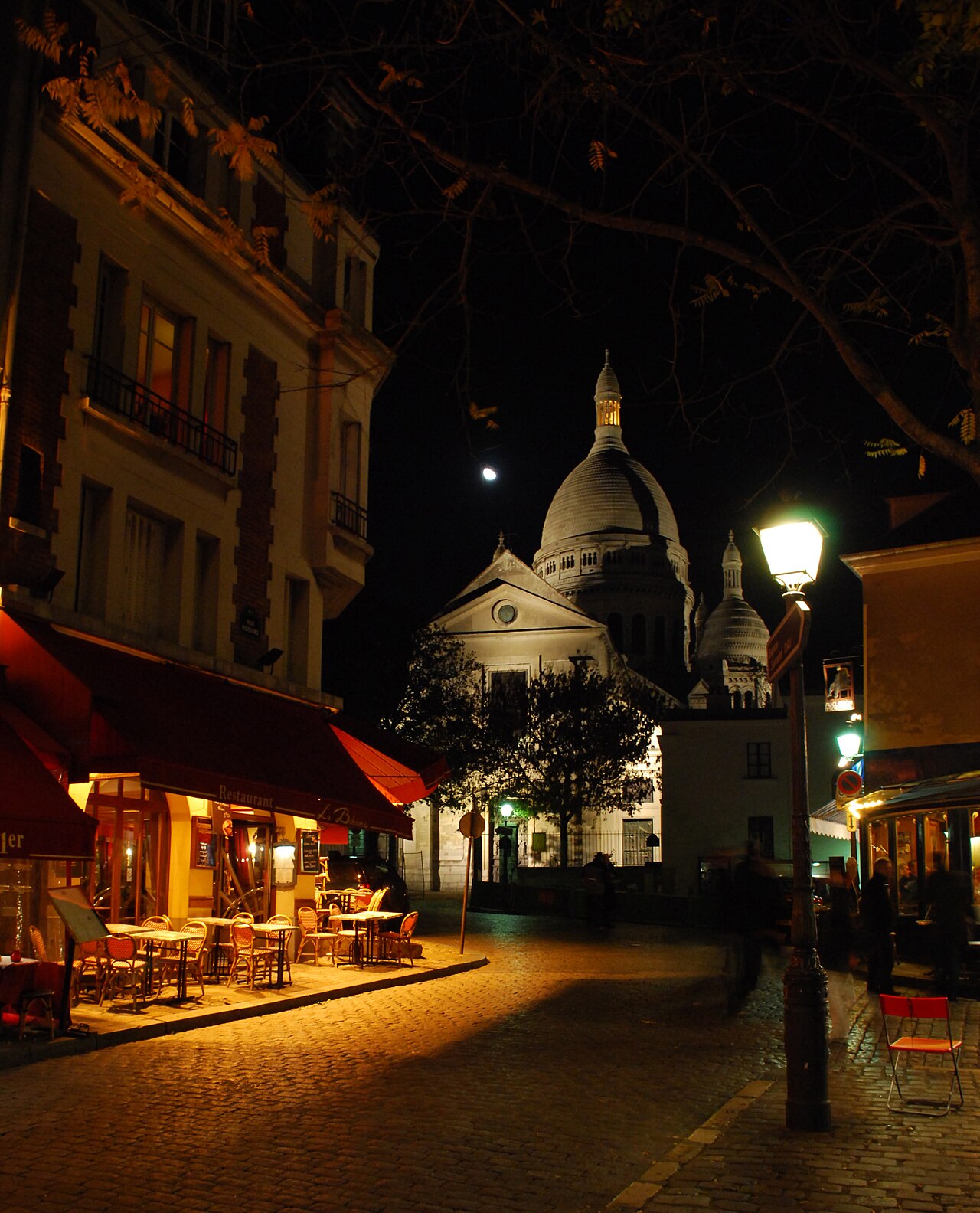
Once the intellectual heart of the Left Bank, Saint-Germain-des-Prés saw philosophers, writers and artists pass through its cafés from the interwar years through the existentialist heyday of the 1950s. The neighborhood has changed considerably, now lined with luxury boutiques and contemporary art galleries, but it keeps an elegant atmosphere and its Romanesque abbey, the oldest church in Paris, which gave the district its name.
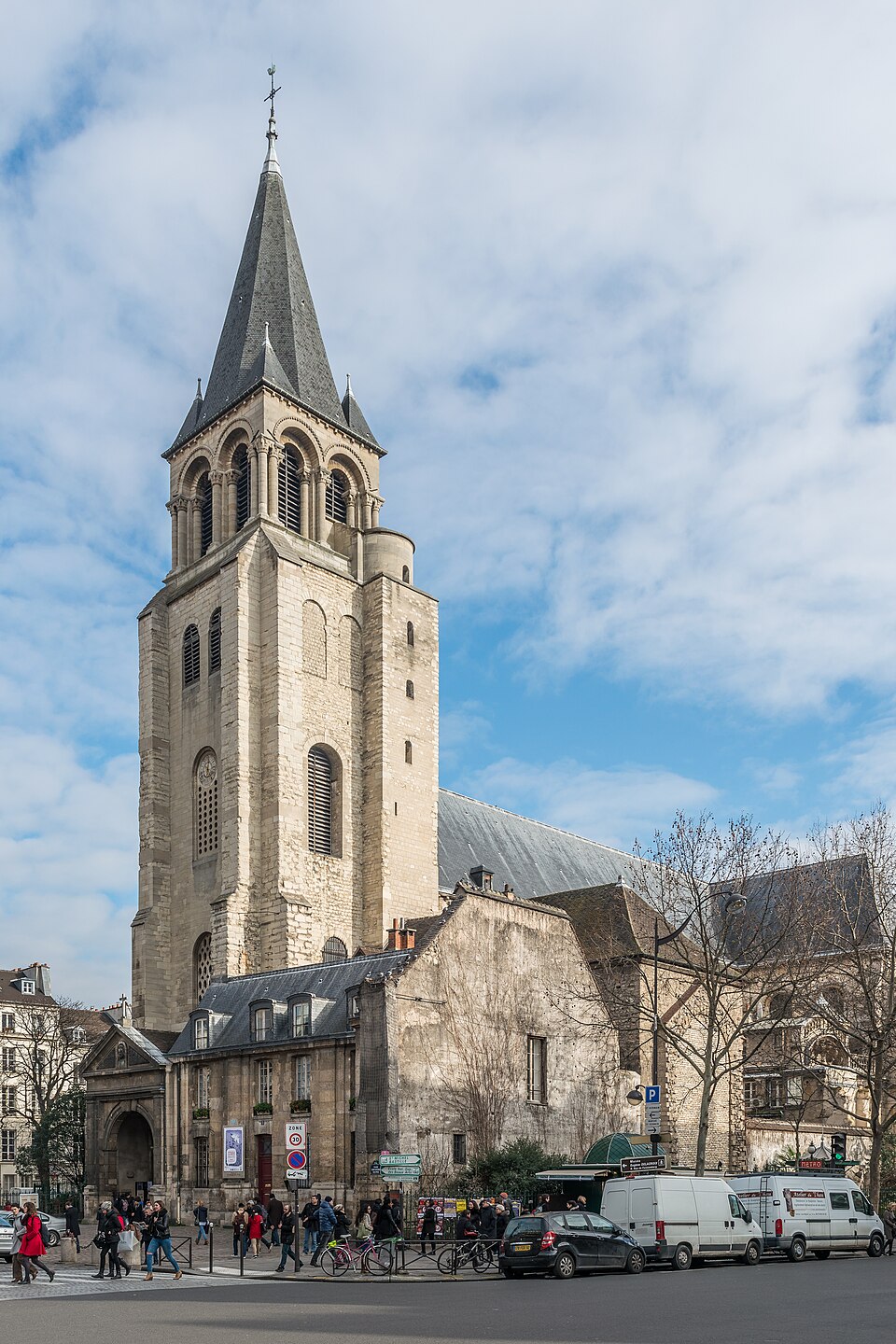
The Abbey of Saint-Germain-des-Prés
Founded in the 6th century by King Childebert I, this Benedictine abbey is considered the oldest church in Paris. Its Romanesque bell tower, one of the oldest in the city, still overlooks the square of the same name, while the interior holds recently restored 19th-century murals.
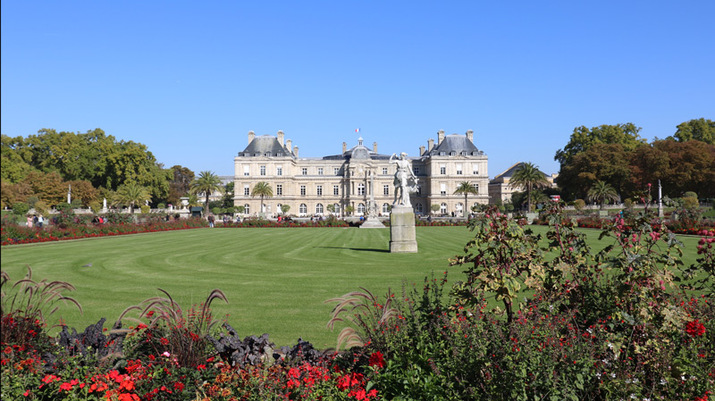
The Palais du Luxembourg
On the southern edge of the neighborhood, this former 17th-century royal palace now houses the French Senate. Its elegant facade and surrounding gardens make it one of the most admired architectural ensembles on the Left Bank.
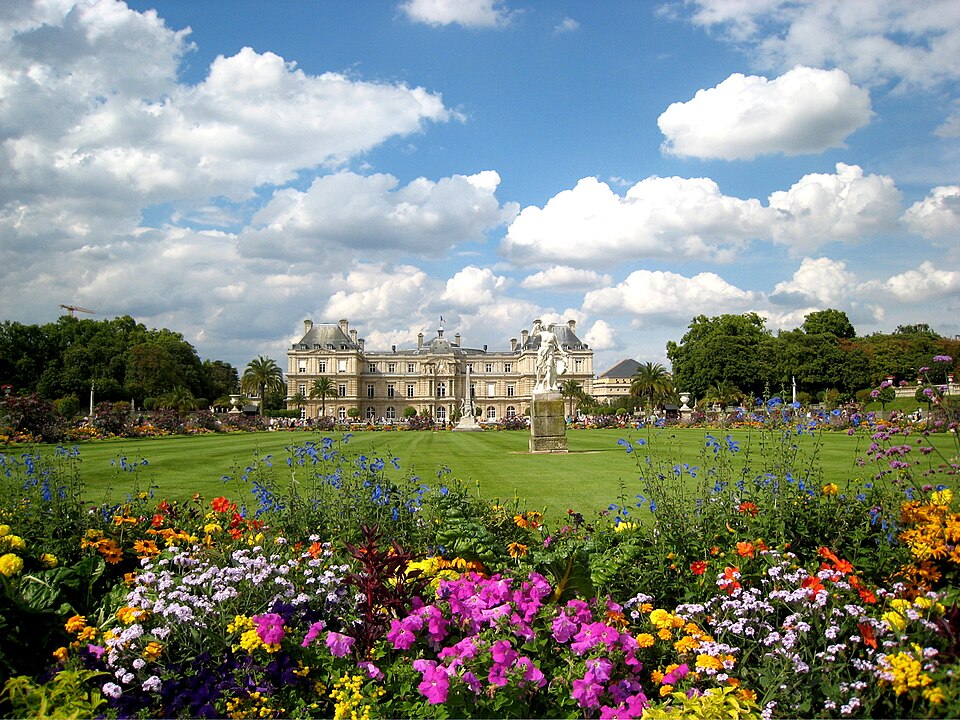
The Jardin du Luxembourg
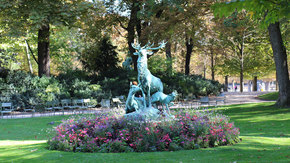
This sweeping formal garden, with its large pond where children sail toy boats, its statues and its green metal chairs set out under the trees, is the neighborhood's green lung. Students, families and regulars gather here in every season.
Café de Flore and Les Deux Magots
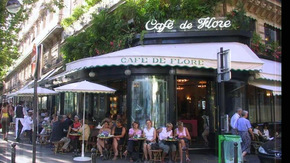
A few doors apart on Boulevard Saint-Germain, these two historic cafés once welcomed Sartre, Simone de Beauvoir, Hemingway and many other 20th-century literary figures. Still open today, they remain iconic addresses, touristy and pricey, but essential for sensing the neighborhood's spirit.
Art galleries and publishing houses
For decades, Rue de Seine, Rue Jacob and Rue Bonaparte have held a dense concentration of art galleries and publishing houses, a legacy of an intellectual tradition that is still very much alive. Wandering these streets often turns up small, free exhibitions that change regularly.
Rue de Buci and the shopping streets
This former market street, now lined with produce stands, cheesemongers and lively café terraces, makes a natural extension of a neighborhood stroll. Nearby streets such as Rue du Four and Rue de Rennes mix designer boutiques with major fashion chains.
Tips
The Saint-Germain-des-Prés metro station (line 4), along with Mabillon and Odéon (lines 4 and 10), serve the neighborhood directly, a short walk from both the Jardin du Luxembourg and the Seine riverbanks. To enjoy the café terraces without the crowds, aim for a weekday visit, early morning or late afternoon. The neighborhood pairs naturally with a visit to the Musée d'Orsay or the Île de la Cité, both about a fifteen-minute walk away. Keep in mind that the grand cafés on Boulevard Saint-Germain charge premium prices, a coffee on a terrace in the smaller surrounding streets is often cheaper for an equally pleasant setting.